
coal as source of electricity manufacturer Grasping strong production capability, advanced research strength and excellent service, Shanghai coal as source of electricity supplier create the value and bring values to all of customers.
 WhatsApp)
Coal = Reliable Energy . What makes a fuel source reliable? ... months in 2013 and 2012, coal was the leading source of electric power in the The figure below
Coal is the largest domestically produced source of energy in America and is used to generate a significant chunk of our nation''s electricity. The Energy Department is working to develop technologies that make coal cleaner, so we can ensure it plays a part in our clean energy future.

Power companies in 2015 for the first time may have burned more natural gas than coal to generate electricity, according to analysts who attribute it to the cheapest ...
It has 450 million funding from the DOE Clean Coal Power Initiative towards its billion cost. It was due to operate from 2015, ... such as most coal. Sources:

Coal supplied just 2% of power in the first half of 2017, marking a steep decline from just five years ago, according to analysis by Imperial College
Coal forms from organic material that decays and experiences pressure and heat for millions of years. Since they take so long to form, fossil fuels like coal and oil ...
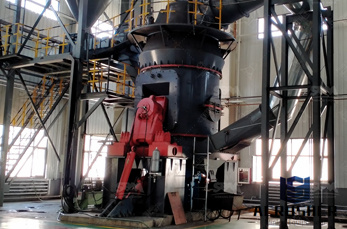
Coal''s Past, Present, and Future; Coal Reserves in the ... Coal will likely continue to be an important source of electricity generation because it is more abundant ...
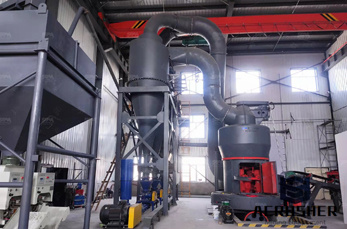
What is coal? Coal is a combustible black or brownishblack sedimentary rock composed mostly of carbon and hydrocarbons. ... How is coal converted into electricity?
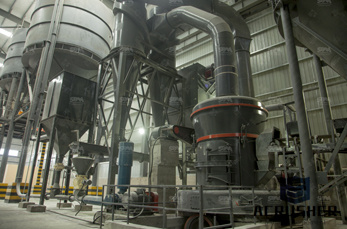
Sep 30, 2017· Students playing soccer near a coalfired power plant in West ia. ... learning how a different source of energy, wind, might make them proud, ...
Coal is the biggest single source of energy for electricity production and its. share is growing. The efficiency of converting coal into electricity matters: more efficient power plants use less fuel and emit less climatedamaging. carbon dioxide. This book explores how efficiency is measured and reported.

Right now, coal is Australia''s primary fuel source for generating electricity at around 73 percent. Of this, black coal is used to generate around half of all our electricity (51 percent), while Victoria mainly uses brown coal (22 percent) because it''s mined in .
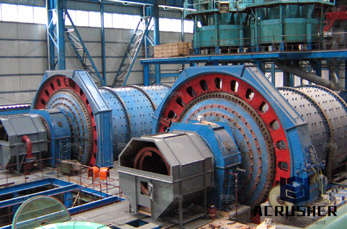
The production of electricity in 2013 was 23,322TWh. Sources of electricity were coal and peat 41%, natural gas 22%, hydroelectric 16%, nuclear power 11%, oil 4%, biomass and waste 2% and other sources 4%.
Fast Facts About Coal ... Coal is the most affordable source of power fuel per ... Regulated emissions from coalbased electricity generation have decreased ...
Oct 10, 2017· Coal is the world''s biggest source of carbon emissions and a major contributor to global warming. It''s also cheap and abundant. The power and warmth it generates have helped lift millions out of poverty in .
Jan 03, 2016· Figure 3: Coal Energy Direct Imports in 2006 and 2015 (Energy Is in TerawattHours, TWh) Source: Electricity Supply Forms (S2 and S5) ...
We use electricity to charge ... What Are Sources of Electricity That Charge Your Life? ... Whether it''s a 19th Century energy source like coal or 21st Century ...
Feb 20, 2013· Researchers have discovered a stunning new process that takes the energy from coal without burning it and removes virtually all of the pollution.

Sources of Electricity is an information resource about various types of electric power. ... Some sources of coal are deep below the ground, as in the UK.
Of all the fossilfuel sources, coal is the least expensive for its energy content and is a major factor in the cost of electricity in the United States. However, burning coal in electric power plants is a major source of carbon dioxide (CO2) emissions, and its use has other repercussions as well.
Jan 03, 2017· Watch video· Solar Could Beat Coal to Become the Cheapest Power on ... according to Bloomberg New Energy ... where solar is the lowestcost source of energy.
Find out the benefits of coal and how it''s used to make electricity. Coal is used to make a significant proportion of the world''s electricity. ... What is coal? What ...
There are a variety of sources of electricity: The burning of coal, natural gas and oil in power plants using gas turbines or heat engines produces heat which, when combined with steam, generates electricity. Nuclear fission is used to split atoms and harness the energy released to generate heat and electricity.
Jul 31, 2015· They generated 30 percent of the nation''s electricity last year. Coal was the chief source of electrical generation in 19 states and the second most common .

Coal is the largest source of energy for the generation of electricity worldwide, as well as one of the largest worldwide anthropogenic sources of carbon dioxide releases.
WhatsApp)
 Online Chat
 Sales Hotline